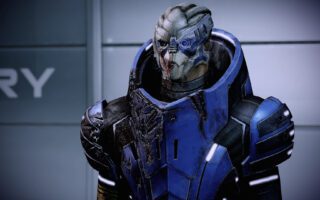

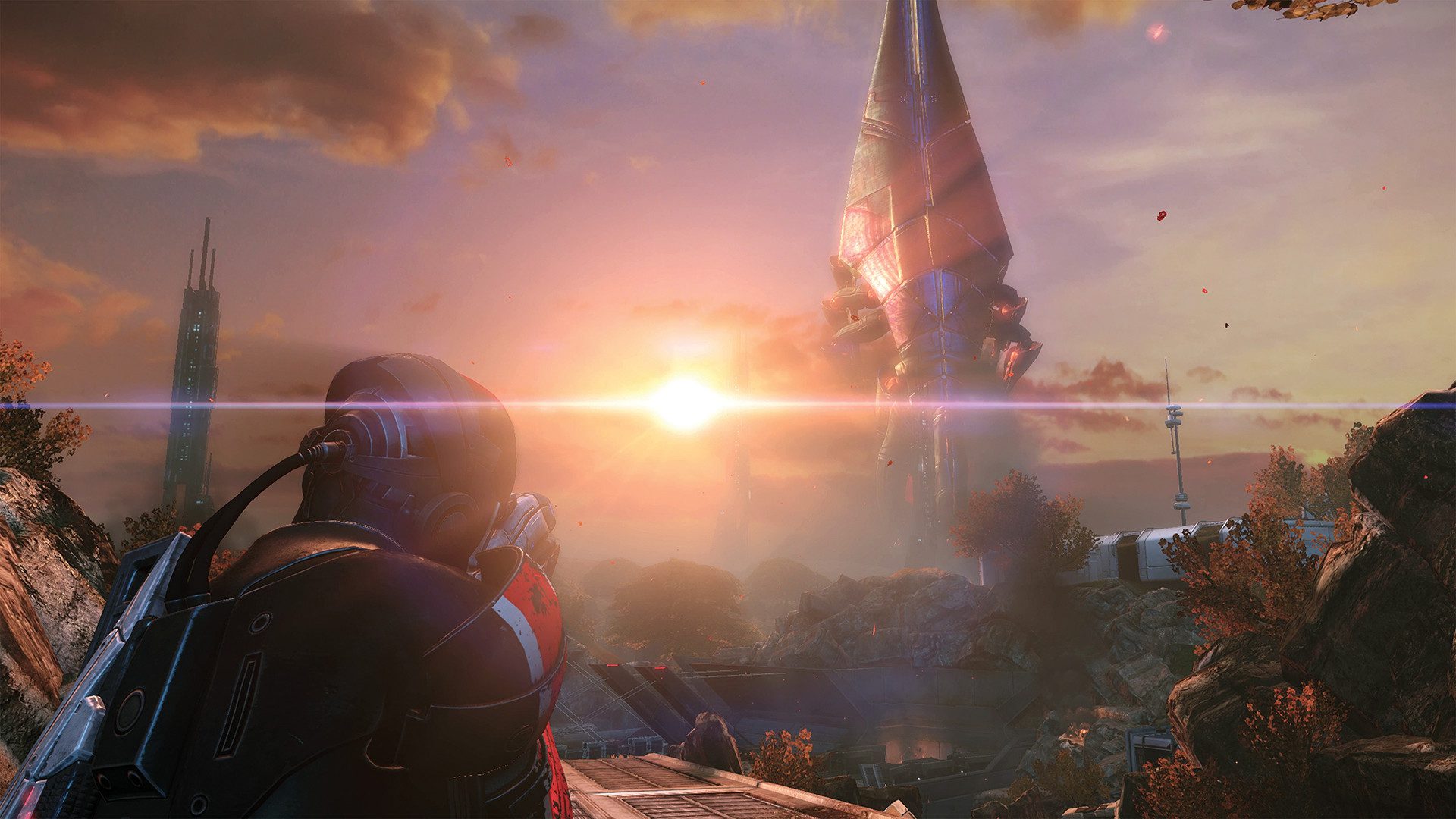
EA said on October 21 that it is closing BioWare and ending early work on the next Mass Effect. Bloomberg reported about 400 layoffs across EA, about 50 of them at BioWare. Our news post has the details. This is my take.
The studio that gave us Knights of the Old Republic, Mass Effect and Dragon Age is gone, and EA didn’t close it because it ran out of money. EA posted record net bookings of about $8 billion for the fiscal year that ended in March. Battlefield 6 sold 7 million copies in its first three days. EA could afford BioWare. It decided BioWare’s games didn’t fit the business.
Follow the money
EA went private this summer in a $55 billion leveraged buyout led by Saudi Arabia’s Public Investment Fund. VGC reports that the deal left EA with around $18 billion in debt and about $1.8 billion a year in interest. EA also told its lenders it would cut $700 million in annual costs. Last fiscal year, $5.4 billion of EA’s $7.5 billion in net revenue came from live services. That’s the business now: games you keep paying for, built on names you already know. A studio that spends years on a single-player RPG was never going to survive that spreadsheet, and it didn’t.
David Gaider was lead writer on Dragon Age. He posted on Bluesky that night:
As much as it’s not really a surprise, especially given the industry right now coupled with the Saudi sale, the news today still made me sad. BioWare joins other great studios of the past, with a legacy that will not soon be forgotten.
– David Gaider (@davidgaider.bsky.social) October 21, 2026
Mark Darrah, a former BioWare executive producer, was on The FRVR Podcast in July. He said someone once described EA to him as “a hedge fund with a video game hobby that it wished it didn’t spend so much money on.” After this week, that line is hard to argue with.
The real slop factory
People love to complain about AI slop in games, the cheap generated filler pushed out to make a quick buck. Fair enough. But the humans running the biggest publishers have been doing the same thing for years, with bigger budgets and better marketing.
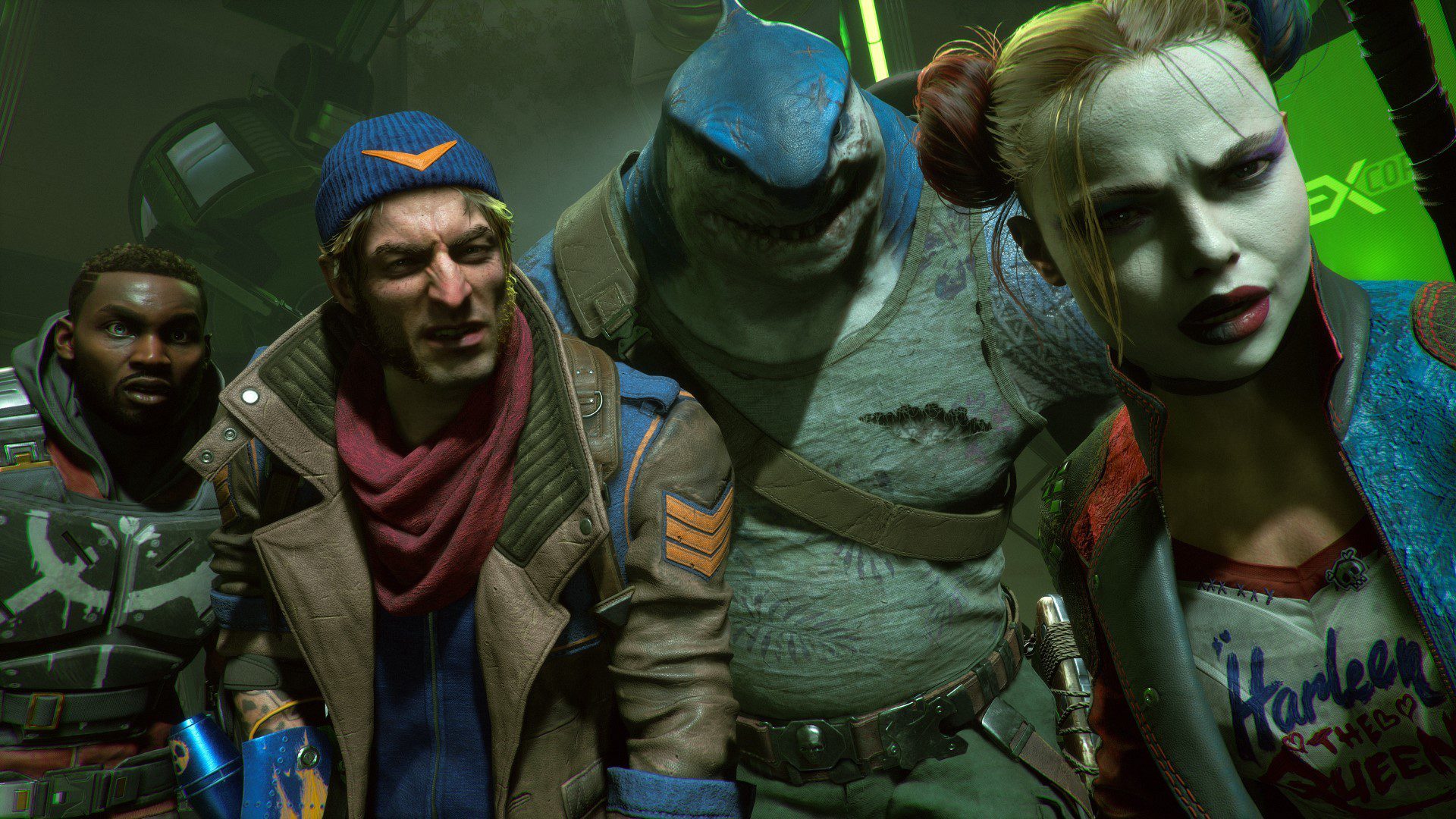
Look at the last two years. Sony shut down Concord about two weeks after its August 2024 launch and closed its developer, Firewalk, that October. Warner Bros. took a hit of about $200 million on Suicide Squad: Kill the Justice League. Ubisoft took XDefiant offline in June 2025. Every one of them chased a live-service model someone else had already made work, because a spreadsheet said that’s where the money was. Players could tell, and they stayed away.
The single-player side isn’t much better. Leaked Insomniac documents put Marvel’s Spider-Man 2 at $315 million. Shawn Layden, who used to run PlayStation’s studios, told Eurogamer in 2024 that “every generation it costs twice as much to build a game.” He called AAA “a kind of cathedral business, and it just can’t grow any further.” When a game costs that much, nobody wants to take a risk. So we get another sequel, another remaster, another season pass on a name we loved ten years ago.
Swen Vincke, who runs Larian, said it best when he accepted a GDC award for Baldur’s Gate 3 in 2024: “I’ve been fighting publishers my entire life… It’s always the quarterly profits… Slow down on the greed.”
Where the good games are coming from
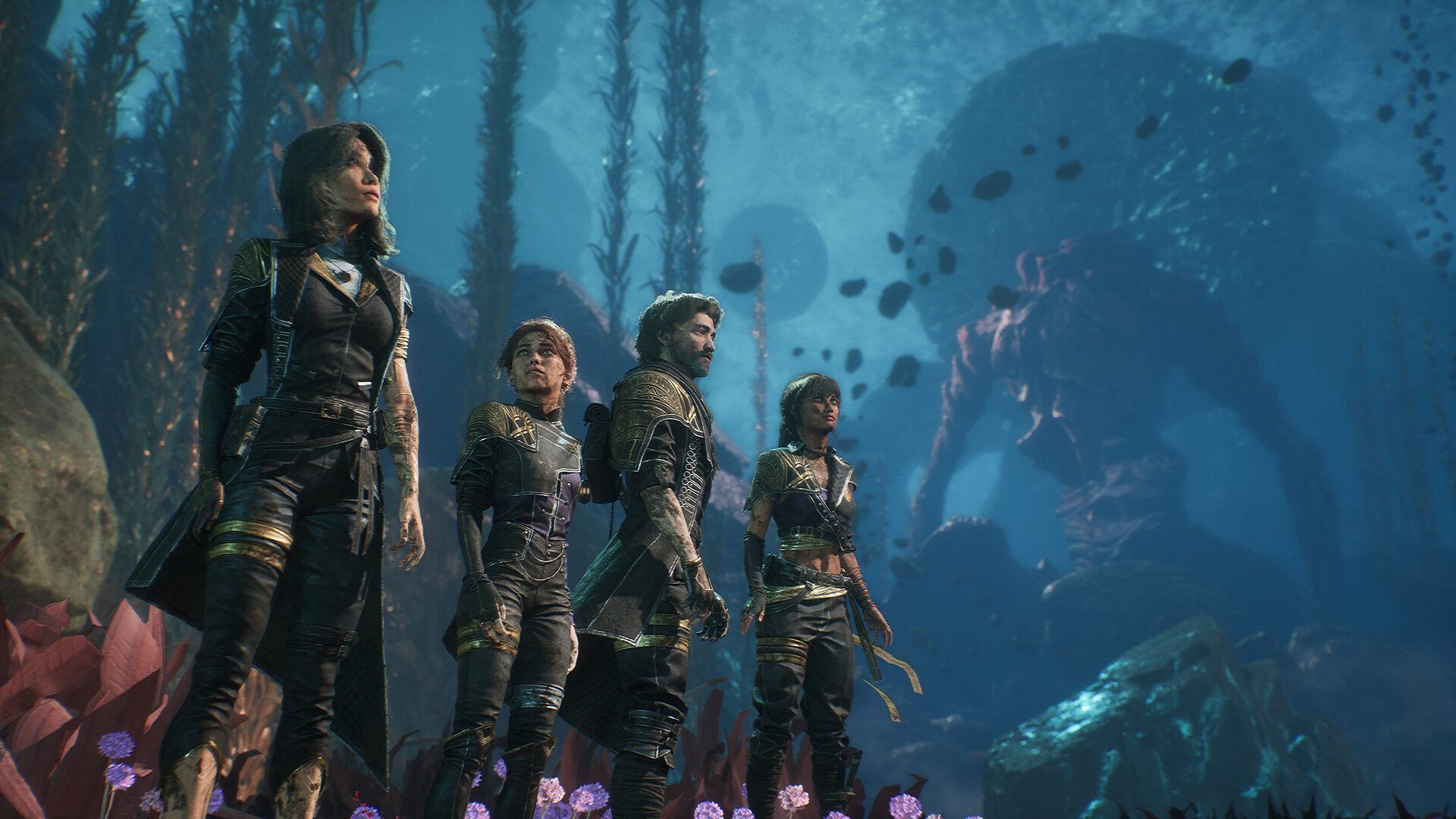
Meanwhile, small teams keep making the games people actually talk about. Clair Obscur: Expedition 33 came from Sandfall Interactive, a studio of about 30 people. It won Game of the Year at The Game Awards 2025, nine awards in all, and passed 8 million copies in April. Sandfall’s CEO Guillaume Broche said in a French interview (translated) that “a project like this would’ve taken 25 years to make in a big company.”
Some of these teams use AI to help get the work done, and I don’t think that’s the scandal people make it out to be. Clair Obscur shipped with a few AI-generated placeholder textures, which Sandfall patched out within days of release and which cost it an Indie Game Awards win in December. Of the 8,700 games in Steam Next Fest this June, 1,704 were tagged as using generative AI, according to Eurogamer. I’ll take a 30-person studio that used a tool to fill a few gaps over another $315 million sequel with nothing new in it.
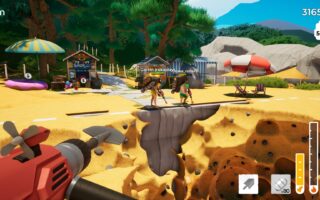
Hollow Knight: Silksong, from a Team Cherry team of about three, sold 7 million copies in about three months. Analytics firm Alinea estimates that Schedule I grossed about $151 million on Steam in 2025, with R.E.P.O. at $147 million and PEAK at $87 million. None of the three came from a major publisher. Three of the six Game of the Year nominees at The Game Awards 2025 came from small or independent studios. Alinea puts indie games at about a quarter of all Steam revenue last year. These teams answer to players instead of lenders, and it shows.
Why GamesFinity covers the small stuff
That’s why most of what we cover here comes from smaller studios. This month we’ve written about Casualties: Unknown, a cave survival sim made by one developer that had 500,000 demo players before launch. We covered Rami Ismail’s train defense game Australia Did It, and GemCraft Legacy Collection, which brings back three Flash games from a one-person studio. Battlefield and GTA get covered everywhere. The game you end up loving next year is more likely to be one that needs someone to point at it, and that’s the job we want.
Gaider’s follow-up post said it:
Say what you will about BioWare but, at its height, it was the best at what it did and I’m very honoured to have trained and worked with some of the finest folks in the industry. I’ve been away 10 years now, but I’ll always be glad for my time there. *Salute*
– David Gaider (@davidgaider.bsky.social) October 21, 2026
BioWare earned that. I just wish the people who owned it had cared as much as the people who built it.